
Back to School with Purpose: Building Inclusive and Equitable Learning Environments
August 28, 2024 · Tyesha West
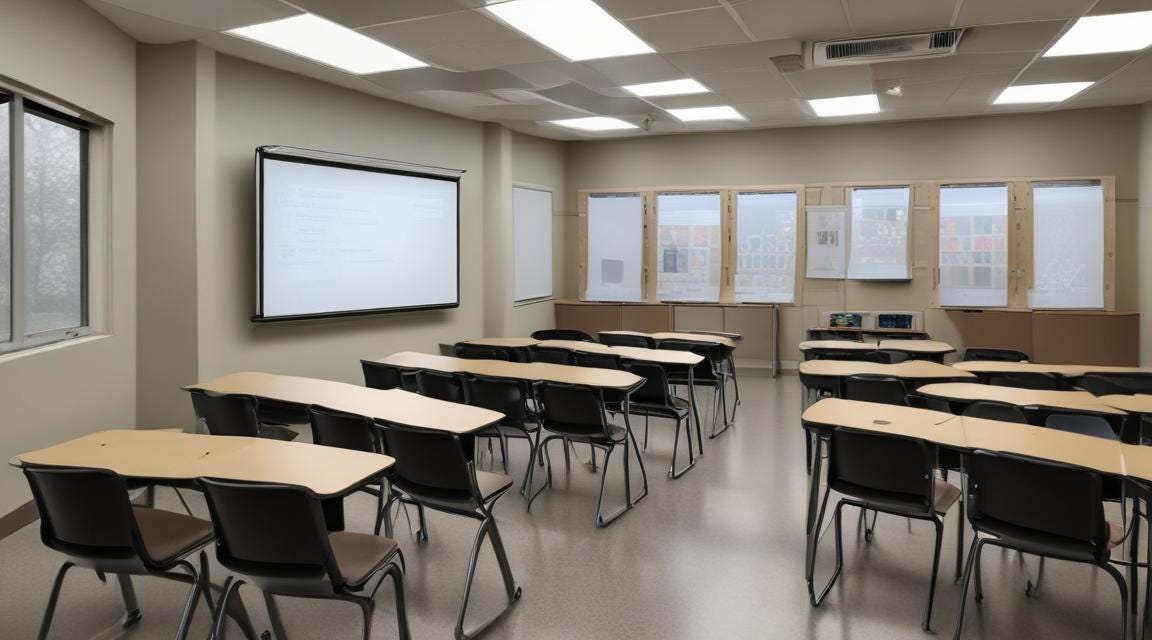
As summer fades and students return to classrooms, we are presented with a unique opportunity to reimagine education. Beyond the rituals of new backpacks and fresh notebooks, this season should prompt us to reflect on how our educational spaces can become more inclusive, equitable, and empowering for every student. This article explores the importance of educational equity, culturally responsive teaching, social-emotional learning, and introduces the "Focus" method as a tool to shape the future of our schools.
1. The Importance of Educational Equity
Educational equity means providing all students with the resources, opportunities, and support they need to succeed, regardless of their background or socioeconomic status. Unfortunately, disparities in school funding and access to quality education remain significant barriers. According to the National Center for Education Statistics, schools in low-income areas often receive less funding per student than those in affluent neighborhoods, leading to inequities in resources, teacher quality, and extracurricular opportunities [NCES, 2024].
As a student, teacher, and educator, I have witnessed these disparities at multiple levels. Growing up in Massachusetts and attending low-income schools, I am all too familiar with the lack of funding in our community's schools. I vividly remember being in junior high and using a U.S. history textbook that was 20 years old at the time. It made me question whether times hadn't changed much or if only specific moments in history were deemed worth learning about. As a parent, I have found myself repeatedly raising concerns about building conditions, limited course offerings, and overcrowded classrooms, which I attribute to the lack of funding as a foundational issue. As an educator, I am often dismayed to see school funding cuts year after year, with any surges in funding primarily benefiting schools in rural, upper-class neighborhoods.
These disparities do more than just limit the physical resources available to students; they shape students' perceptions of their value and the value of their education. When students see their schools struggling with outdated materials, inadequate facilities, and limited opportunities, it sends a message that their education—and by extension, their future—matters less. This reality makes the role of culturally responsive teaching even more crucial. By integrating students' cultural references into their learning, educators can help bridge these gaps and affirm the worth and potential of every student.
2. The Role of Culturally Responsive Teaching
Culturally responsive teaching (CRT) acknowledges the importance of including students' cultural references in all aspects of learning. This approach not only makes learning more relatable but also affirms the identities of all students. Research by the National Association for Multicultural Education shows that CRT can lead to improved academic outcomes and greater student engagement [NAME, 2023].
Space for your insights: Share observations or experiences from your work or studies where culturally responsive teaching made a difference. What strategies have you seen educators use to connect with students' cultural backgrounds?
3. Social-Emotional Learning: A Foundation for Success
Social-emotional learning (SEL) is essential for helping students develop self-awareness, manage emotions, and build positive relationships. The Collaborative for Academic, Social, and Emotional Learning (CASEL) emphasizes that SEL skills are critical for academic achievement and long-term success [CASEL, 2024]. Schools that integrate SEL into their curricula see higher student engagement and lower rates of behavioral problems.
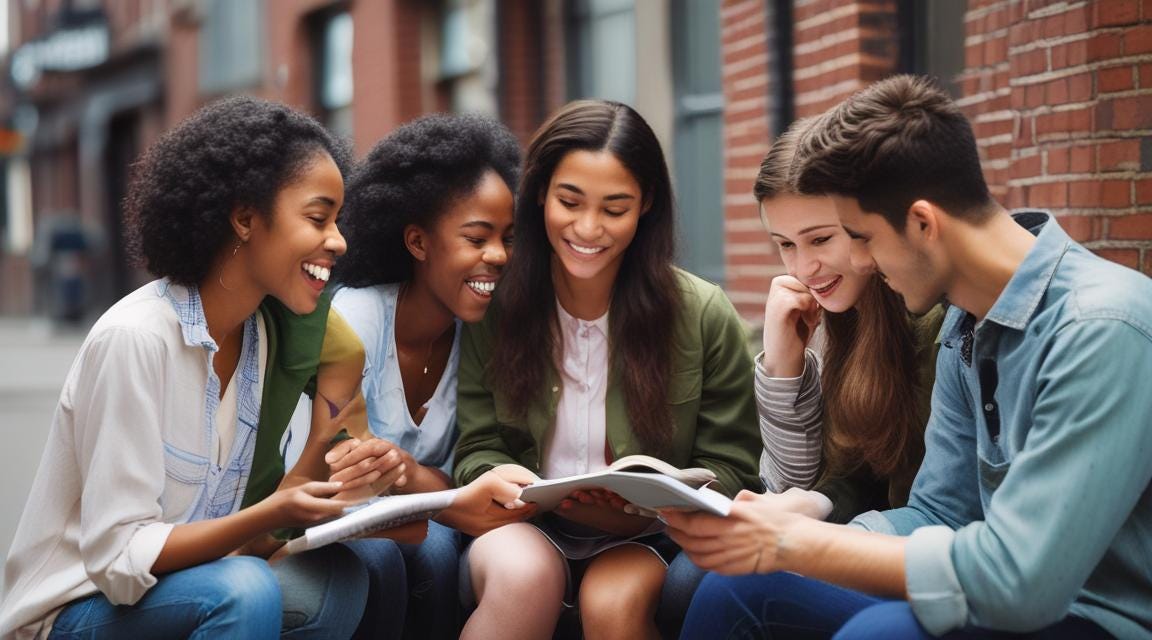
In my experience, SEL is as important, if not more important, than traditional core subjects. Imagine schools filled with socially responsive minds, students who are ready to explore and expand their thinking, equipped with the skills to communicate effectively and interact with others respectfully and responsibly. I have seen firsthand how access to safe spaces and supportive people allows children to thrive. When students are encouraged to explore their emotions and understand those of others, they develop a stronger sense of self and community. They learn to navigate conflicts, set boundaries, and express themselves in healthy ways, laying the groundwork for both academic success and personal growth.
These skills not only help students cope with challenges but also empower them to become empathetic leaders and problem solvers. SEL creates an environment where students feel valued and understood, reducing anxiety and behavioral issues, and enhancing their ability to concentrate and perform academically. This focus on emotional intelligence complements the academic curriculum, leading to well-rounded individuals who are prepared for the complexities of life beyond the classroom.
4. Introducing the "Focus" Method
The "Focus" method is a practical approach designed to help everyone, from students to educators, create and reach sustainable and healthy goals. This method emphasizes a structured process that involves clear goal-setting, reflection, and accountability. By implementing the Focus method, educators can foster a learning environment where students are empowered to take control of their education and personal development.
Principles of the Focus Method:
Goal Setting: Establishing clear, achievable goals that are both challenging and realistic. This step involves helping students articulate what they want to achieve, whether it’s academic success, personal development, or social growth.
Reflection: Regularly reflecting on progress to understand what is working and what needs adjustment. This encourages self-awareness and critical thinking, allowing students to recognize their strengths and areas for improvement.
Accountability: Creating a sense of responsibility by setting up check-ins or reviews. Accountability ensures that students are committed to their goals and understand the importance of following through with their plans.
Support Structures: Building a supportive network of peers, teachers, and resources that students can rely on as they work towards their goals. This includes creating safe spaces for discussion, providing access to resources, and offering emotional and academic support.
Adaptability: Encouraging flexibility to adapt goals and strategies as needed. This principle recognizes that goals may change over time and that being able to adjust to new circumstances is crucial for long-term success.
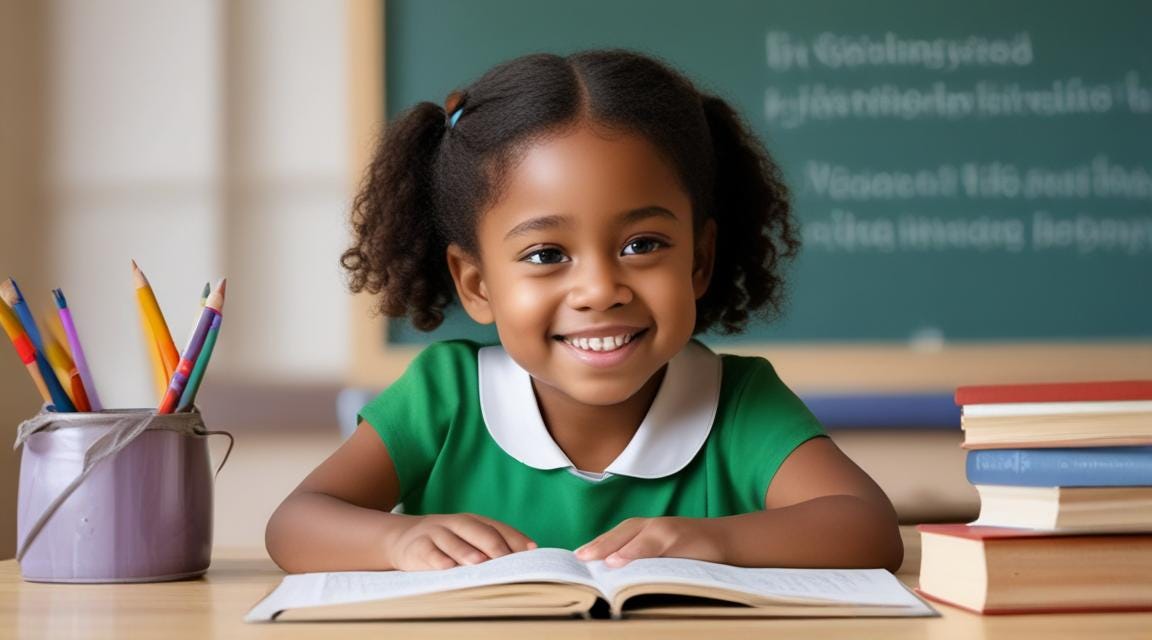
equity in education
Implementing the Focus Method in the Classroom:
Set the Standard: Educators can set the Focus method as the standard for their students by introducing it at the beginning of the school year and integrating it into daily routines. For example, starting each class with a goal-setting exercise or ending with a reflection session can help students consistently apply the method.
Incorporate into Lessons: Use the Focus method within the context of different subjects. In a science class, for instance, students might set a goal for a project, reflect on their findings, and hold each other accountable through peer reviews. In literature, they could set goals for understanding a character’s development and reflect on how those goals change their interpretation of the story.
Lead by Example: Educators can apply the Focus method to their own work, demonstrating how it helps them plan lessons, manage classroom activities, and pursue professional development. By sharing their own goals and progress, teachers model the importance of the Focus method and show students how it can be used effectively.
Regular Check-ins: Implement regular check-ins, where students can discuss their goals and progress. This could be done weekly or bi-weekly, either individually or in small groups, to provide feedback and support.
Benefits of the Focus Method for Educators and Students:
Enhanced Student Engagement: By encouraging students to take ownership of their learning through goal-setting and reflection, the Focus method increases engagement. Students are more motivated when they see a clear purpose in their actions and understand how their efforts contribute to their personal and academic growth.
Improved Classroom Management: The Focus method promotes accountability and self-discipline, which can lead to a more organized and productive classroom environment. Students who are actively setting goals and reflecting on their behavior are more likely to stay on task and follow classroom rules.
Positive Teacher-Student Relationships: When educators use the Focus method, they create an atmosphere of mutual respect and collaboration. Students feel supported in their journey, which can strengthen the teacher-student relationship and create a more positive and inclusive classroom culture.
Professional Growth for Educators: The Focus method is not just for students; it can also help teachers set and achieve their own professional goals. By applying the method, educators can plan their career development, reflect on their teaching practices, and hold themselves accountable for continuous improvement.
Long-Term Success for Students: By consistently applying the Focus method, students learn valuable life skills such as goal-setting, time management, and adaptability. These skills are crucial not only for academic success but also for personal and professional success beyond the classroom.
By integrating the Focus method with other proven educational strategies, we can create a holistic approach to student development that addresses both academic and emotional needs. The Focus method provides a structured framework that complements initiatives like restorative justice, culturally responsive teaching, and social-emotional learning, ensuring that every student has the tools and support they need to succeed.
Let's explore some real-world examples where these combined approaches have been successfully implemented, demonstrating the powerful impact they can have on creating inclusive, equitable, and supportive learning environments.
5. Real-World Examples of Successful Initiatives
To illustrate the effectiveness of these approaches, consider schools that have adopted restorative justice practices. In Oakland, schools implementing restorative justice have reported a significant reduction in suspensions and an improved school climate [RJOY, 2024]. These practices focus on building community, fostering accountability, and repairing harm, which contributes to a more positive and inclusive school environment.
Another example is the use of culturally responsive pedagogy in diverse districts, where students' academic performance and engagement levels have markedly improved. By recognizing and valuing students' cultural backgrounds, these schools have successfully created learning environments where students feel understood and respected, leading to better educational outcomes.
The Focus method, when implemented alongside these strategies, can further enhance these positive outcomes by providing a clear, goal-oriented framework that keeps students motivated and engaged. By setting specific goals, reflecting on progress, and maintaining accountability, students are more likely to succeed academically and grow personally.
In my work as an educator, I have seen firsthand the profound impact that social-emotional learning (SEL) and restorative justice practices can have on students' behavior and academic success. For example, in one school I worked with, implementing SEL programs led to noticeable improvements in students' emotional regulation and interpersonal skills. Students were taught how to recognize and manage their emotions, which not only reduced behavioral issues but also improved their focus and engagement in class. The school provided a designated "green room" where students could go to refocus and regain their composure when feeling overwhelmed. This simple addition created a more positive and productive learning environment, benefiting both students and teachers.
Additionally, when restorative justice practices were introduced in the same school, there was a significant reduction in suspension rates. Instead of resorting to punitive measures, teachers and administrators focused on conflict resolution and mediation, helping students understand the consequences of their actions and encouraging them to take responsibility. This shift not only reduced disciplinary issues but also strengthened the sense of community within the school. Students felt heard and respected, and this, in turn, fostered a greater sense of accountability and empathy among them.
In another instance, a colleague and I piloted the Focus method as a workshop to help students set personal and academic goals. We guided students through the process of identifying specific goals, creating action plans, and reflecting on their progress regularly. This approach empowered students to take charge of their learning journey and motivated them to stay on track. By integrating the Focus method, we noticed an increase in students' self-confidence and a more proactive attitude towards their studies. Teachers can replicate these successes by providing structured opportunities for students to set and reflect on their goals and by incorporating SEL and restorative justice practices into their daily routines. Schools can start by training teachers in these approaches, creating safe spaces for students, and consistently applying these methods across all grade levels.
Call to Action
As we step into this new school year, let’s go beyond preparing for academic success and commit to fostering equitable, inclusive, and supportive learning environments. Educators, administrators, and policymakers: assess your practices and policies—are they creating the space for every student to thrive? Consider adopting methods like the "Focus" approach, which emphasizes setting clear goals, reflecting on progress, and creating supportive structures to help students stay on track. By prioritizing equitable funding, investing in professional development that equips teachers with culturally responsive and restorative practices, and integrating social-emotional learning, we can make every school a place where all students have the opportunity to succeed.
To bring about meaningful change in our schools, educators and policymakers can start by taking several immediate and impactful steps:
Invest in Professional Development: Teachers and administrators should receive training in social-emotional learning (SEL), culturally responsive teaching, and restorative justice practices. This training will equip them with the tools and knowledge needed to create inclusive and supportive environments. Schools can partner with organizations like CASEL and the National Equity Project to provide workshops and resources.
Establish SEL and Restorative Justice Programs: Schools should implement structured SEL programs that teach students skills like emotional regulation, empathy, and conflict resolution. Additionally, adopting restorative justice practices can help address behavioral issues constructively. Setting up a restorative justice committee within the school can facilitate the implementation and consistency of these practices.
Incorporate the Focus Method into the Curriculum: Schools can integrate the Focus method into their daily routines by starting each day or week with goal-setting sessions. Teachers can guide students in setting specific, measurable, achievable, relevant, and time-bound (SMART) goals and encourage regular reflection on progress. This practice can help students develop a growth mindset and take ownership of their learning.
Create Safe Spaces: Designate areas in the school where students can go to practice mindfulness, reflect, or seek support. These safe spaces can provide a retreat for students to manage stress or emotions before returning to their academic tasks. Such spaces can also be used for peer mediation sessions as part of restorative justice efforts.
Advocate for Equitable Funding: Policymakers should prioritize equitable funding to ensure all schools, especially those in underserved areas, have access to the necessary resources for implementing these p
rograms. This includes funding for updated learning materials, access to technology, mental health resources, and extracurricular activities that enrich students’ educational experiences.
Engage Families and the Community: Building partnerships with families and community organizations can provide additional support for students. Schools can host workshops to educate parents about SEL and the Focus method, encouraging them to reinforce these practices at home. Community involvement can create a broader support network for students, making them feel valued and supported both inside and outside the classroom.
By taking these steps, educators and policymakers can make significant strides toward creating a more equitable, inclusive, and effective education system. These changes can lead to a school environment where every student feels valued, supported, and empowered to achieve their fullest potential.